Tuesday, 31 October 2017

Crafts and Indusrty - Hidden Stoke, A Walk & Exhibition


Majestic Studios is a co-working space for artists and creatives in Stoke-on-Trent.  The space has wifi, hot water, heating, a kitchenette and a great group of resident artists. They put out an open call for artists to participate in an exhibition called "Hidden". B2B project coordinator and artist Carole Miles decided it would be good to participate and to link it to a walk looking at the traces of craft and industry around the Majestic Studios, the venue for the exhibition.


Main street view


Quiet studio spaces


Hidden organiser and multi talented artist Christine Reader made us very welcome and discussed her  Art Lunches and walks.


Some of Chris's sun print textile pieces which 
explore many aspects of life and wellbeing


Carole's work delivered and waiting to be hung


The Walk

Everywhere you look in Stoke-on-Trent there is evidence of craft and industry, a proud past, , the beauty and poignance of what was, the troubling jumble of what is and an optimistic, creative ever changing future. Many things ended but there is much to see, think about and enjoy.

Almost hidden, a weathered sculpture from the 1986 Stoke  Garden Festival "Hand with Chronos" by Vincent Woropay


In 1986 Carole was working as a playground planner for Wicksteed Leisure and remembers hearin about the Garden Festival from the Wicksteed rep Brian Baggley, having studied sculpture, she was very curious about the Festival but sadly did not get the chance to visit. You can see the list of artist involved here and many images here. The Hand sculpture can be found quitely counting time on the Stoke railway station platform.


The long view of the former Co-Operative Building


and the detail


on Liverpool Rd you can see it in the distance in the 1932 Postcardand in the more recent photo here


Street signs show some of the many changes


Tiles and arches


Evidence of a proud industrial history


 more tiles peeking out


Weathered windows


 Evocative curves, reminders
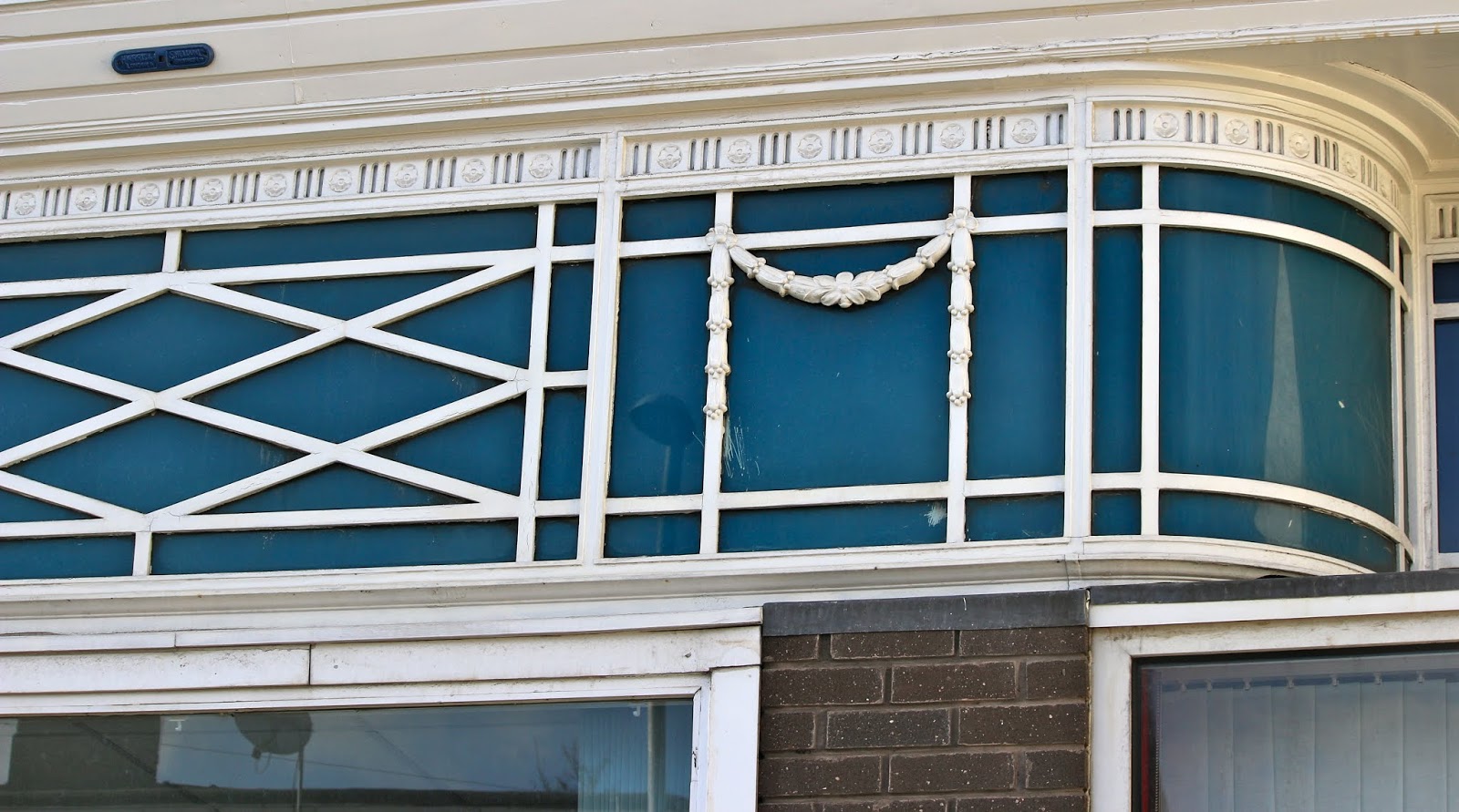

of a glamourous past.


Ghost signs and times


1908


2.10


One of the Famous Lions has lost his head


Jackson's Buildings has the date 1899 and decorative panels on the façade that depict the face of the Green Man surrounded by foliage, one shows him with a closed mouth, the other with a open mouth. Smaller panels have foliate decoration, and another bears the name 'JACKSON BUILDINGS'


Above the door there is a decorative sign that is inscribed 'SUTHERLAND CHAMBERS' The small Christadelphian Ecclesia in North Staffordshire was formed in 1910 and worshipped originally on the first floor of Sutherland Chambers, High Street, Stoke


Stoke Minster - The dedication to St Peter ad Vincula means "Saint Peter in Chains"


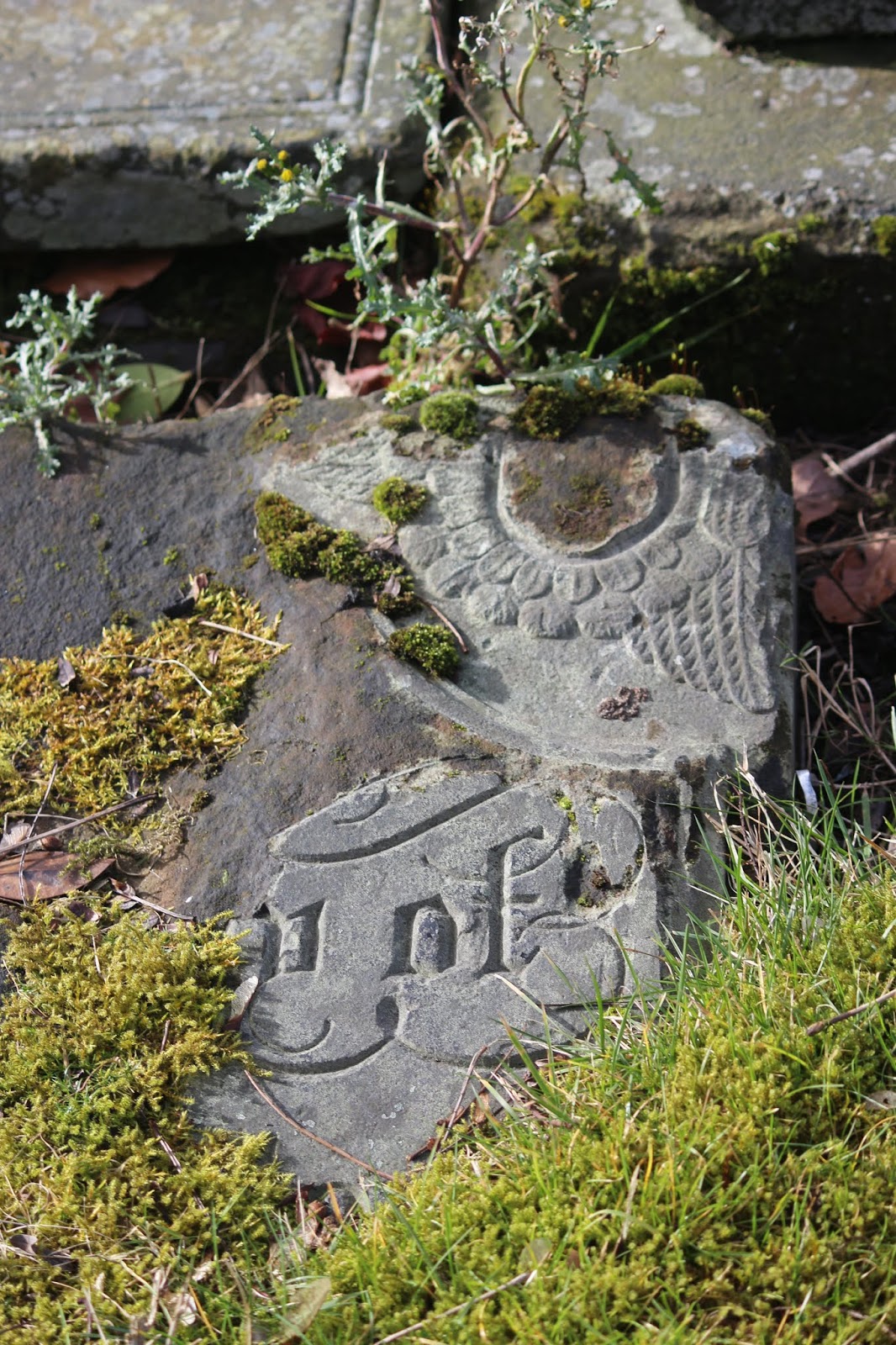
The old parish church of Stoke upon Trent had been demolished in 1830 and some of its stone used to form the bed of a watercourse serving Boothen Mill. Charles Lynam discovered these in 1881 and used them to reconstruct two arches and other features of the old church, set up on the site of the old church.


All  things pass


but the Welcome remains


All technologies change, so much change since 2000


but craft makes a more lasting impression


and if you look up you may be surprised at what you see


The former Library and Shakespeare Institute, London Rd


The Exhibition


Friday, 20 October 2017

Parks, Gardens, Woods, Crafts - Waddesdon Manor Gardens - Painting with Autumn Light - Kate Dyer


Surrounded by views of Oxfordshire, the Chilterns Hills, the Vale of Aylesbury Waddesdon Manor, provided our group with an ideal place to photograph and explore.  We gathered by the rococo style Aviary  in the heart of the gardens filled with rare and exotic birds. 


Photographer Kate Dyer set up an impromptu studio near the Aviary and explained to the group about how make a cyanotype or sun print, we were fortunate that Autumn was kind to us and the light was still strong enough for our purpose.


Kate hope the cyanotypes would be inspired by the walk to the Aviary 


and would be made with found or natural objects plus 
a selection of preprepared architectural line drawings. 


Cyanotype is a photographic printing process that produces a cyan-blue print. Engineers used the process well into the 20th century as a simple and low-cost process to produce copies of drawings, referred to as blueprints. The process uses two chemicals: ferric ammonium citrate and potassium ferricyanide.

Our chosen objects were lad on top of the cyanotype paper and a sheet of acetate was clipped on top, the image was them left to create a positive image produced by exposing the paper it to a source of ultraviolet light (such as sunlight). The extent of colour change depends on the amount of UV light, but good results were obtained after 10–20 minute exposures.


String made a good drying line


After exposure the paper was washed in water


and hung to both dry and develop


the results were beautiful and mysterious.


The cyanotype processwas first introduced by John Herschel (1792 – 1871) in 1842. Sir John was an astronomer, trying to find a way of copying his notes. One of the first people to put the cyanotype process to use was Anna Atkins (1799-1871), who in October 1843 became the first person to produce and photographically illustrated a book using cyanotypes


Download Walks map

After they had finished their cyanotype the group were invited to step back in time in the Victorian style gardens, gaze at flamboyant colours on the parterre amid the ornate fountains and statuary and to explore the gardens and building at their own pace, walking their own paths. In 2012, it was announced that Waddesdon Manor would be one of the sites for Jubilee Woodlands, designated by the Woodland Trust to commemorate Queen Elizabeth II's Diamond Jubilee.
.


Waddesdon Manor was built by Baron Ferdinand de Rothschild between 1874 and 1885 to display his collection of arts and to entertain the fashionable world. Opened to the public in 1959, Waddesdon Manor is managed by the Rothschild Foundation, a family charitable trust, on behalf of the National Trust, who took over ownership in 1957. It’s home to the Rothschild Collections of paintings, sculpture and decorative arts.


Some of the group decided to tour the inside the 


house, and found treasure trove of collections.

In the Stable Gallery they were able to Witness nature re-imagined in an exhibition that sees an amalgamation of fashion, digital art and animal specimens on show. In collaboration with the Natural History Museum at Tring, Walter Rothschild’s spectacular collection of natural history provides the inspiration for colourful virtual collages by Platon H and couture dresses by Mary Katrantzou. 


Our time at Waddesdon raced by


This is the face of happiness and wellbeing and lies at the heart of this project - to bring people who lack access to parks, gardens, woods, water, crafts and industry to places they might not ordinarily visit. For many of the group it was the first time they had been to such a grand garden, so full of richness and inspiration. It was a memorable day and one to treasure.

Crafts and Indusrty - Back to Books Wellbeing Walk at Unique Cottage Studios by Katie Smith

This walk was designed and delivered by artist Katie Smith who invited us to her wonderful studio at Unique Cottage Studios in Spalding. Carolyn Bantin conducted the Mindfulness Meditation and we were joined by some inquisitive sheep. Carolyn's ancestors had been shepherds so sheep wrangling seems to run in the family! 

Katie designed a photo mission to help us look at our surroundings in a more creative way and we split into small groups to create an environmental intervention made from collected natural materials.

We walked through allotments and pumpkin fields under the strangely glowing pumpkin Sun.


Back in the summer I was contacted by artist Carole Miles to see if I would be interested in leading a Creative Wellbeing Walk for a group of young people as part of the Back to Books project; of course my answer was ‘YES PLEASE.’ Carole explained that the concept of the project was to connect walkers with the history, landscape or location of a place in a unique and creative way.


I am really lucky to be based at the picturesque Unique Cottage Studios in Spalding, Lincolnshire; not only is a working sheep farm but it’s a stones’ throw away from agricultural land and a thriving allotment. It would be impossible not to be inspired by landscape that surrounds me and I can often be found foraging for interesting leaves to create prints and cyanotypes from or searching out interesting sheds to photograph. I also walk through the landscape using it as a thinking space; I like the Latin phrase ‘solvitur ambulando’ which means ‘it will be solved by walking,’ and it often is!

As a socially engaged artist I generally take a ‘go to the people’ approach so the prospect of having people visit me in my studio for this project was an exciting one. Carole’s group arrived in good time and we started our creative adventure in the best way, with a cup of tea and a delicious picnic. I gave each of the visitors an enveloped stuffed with creative suggestions for ‘finding the magic in ordinariness’ which would be our theme for the day. We also decided as a group that we should leave ourselves open to possibility and to wander rather than walk putting the emphasis on responding to the sights and sounds of the landscape rather than getting from A to B.


The first point of interest on our wander was a clay pit which had been repurposed into a large pond. Clay Lake is the name of an area in Spalding which before the drainage of the fens, was a large clay bottomed lake. The pond is located in the garden of the owner of Unique Cottage Studios and accessible via a walk through a paddock – it was here that our first ‘possibility’ presented itself. 


Two curious sheep managed to follow us into the garden which led to a completely unplanned and totally unexpected sheep herding experience. We were pleased to discover that we worked very well as a team and disaster was quickly averted. We took full advantage of the peace and tranquillity of the garden and used it as an opportunity to take stock with a mindfulness activity.


We continued our wander through the allotments, down a winding country lane and through a pumpkin field collecting interesting found objects as we went. It was a lovely relaxed opportunity to chat and enjoy each other’s company. 


 Allotments
 
Artichoke
Mighty cabbage
Naturtiums growing in compost heap
Field of pumkins - orange glow

It was also quite surreal as we were bathed in the eerie orange glow of the red sun, the phenomena created by Storm Ophelia as it whipped up dust from the Sahara.


Back at the studio I introduced the group to the work of artist Any Goldsworthy and we talked about how we could use of found objects to create natural sculptures within the ground of unique. 


Fuelled by more tea and Lincolnshire plum loaf topped with cheese, we worked in pairs to create our own site specific art works. 


Abstract arial view of sheep made from leaves and twigs


Heart-shaped harvest


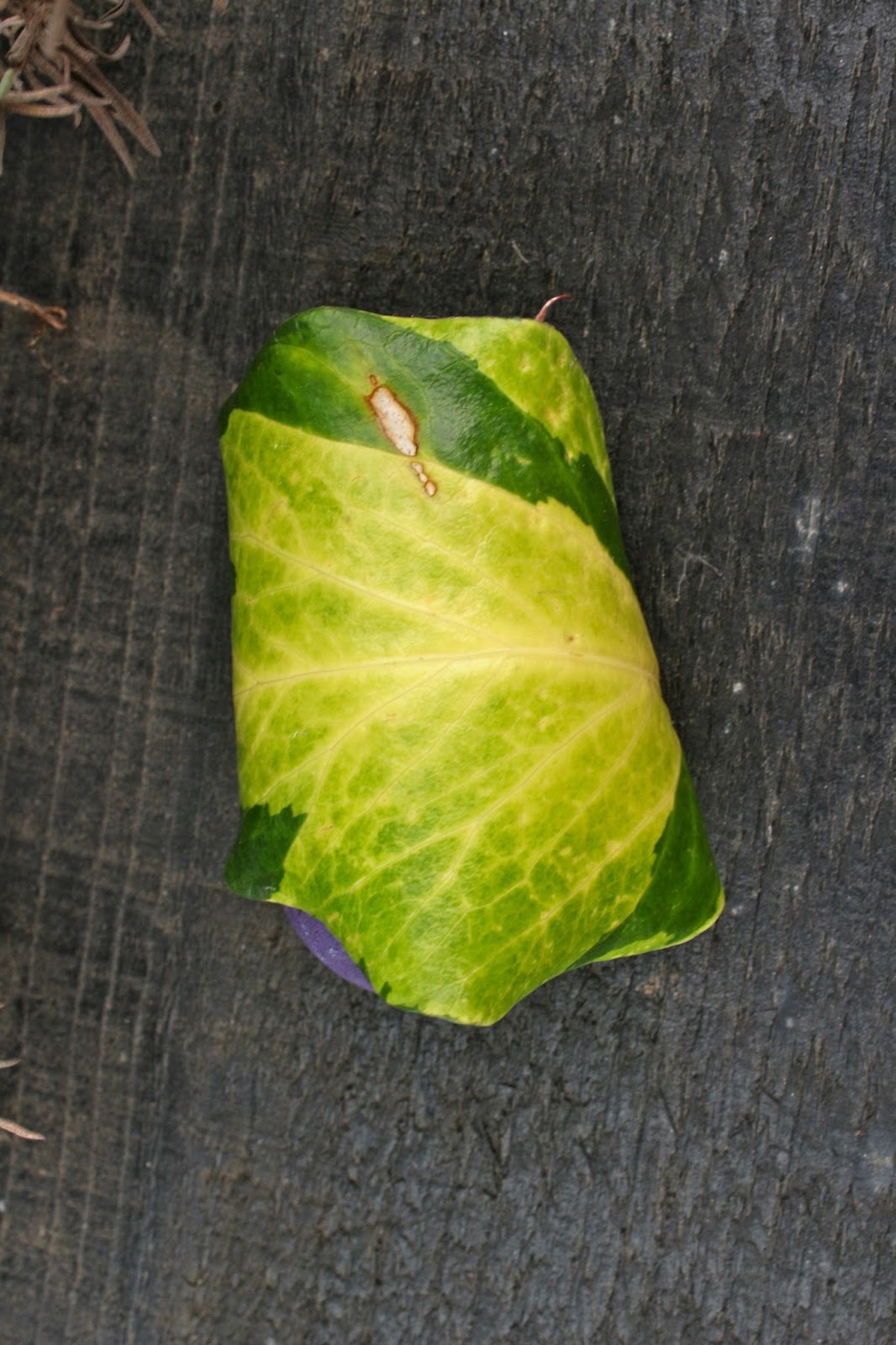
Leaf parcel


Wrapped pebble


Looking at the finished pieces we felt that not only had we found the magic in ordinariness but we had found the magic in each other’s company which is definitely the power of walking and making.

Walk Themes - Crafts and Industry

Unique Cottage Studios - What's On - pottery, mosaics, stained glass, textiles, painting, jewellery

Katie Smith - Socially Engaged Artist - more about

Allotments

Industrial agriculture - Spalding

More photos